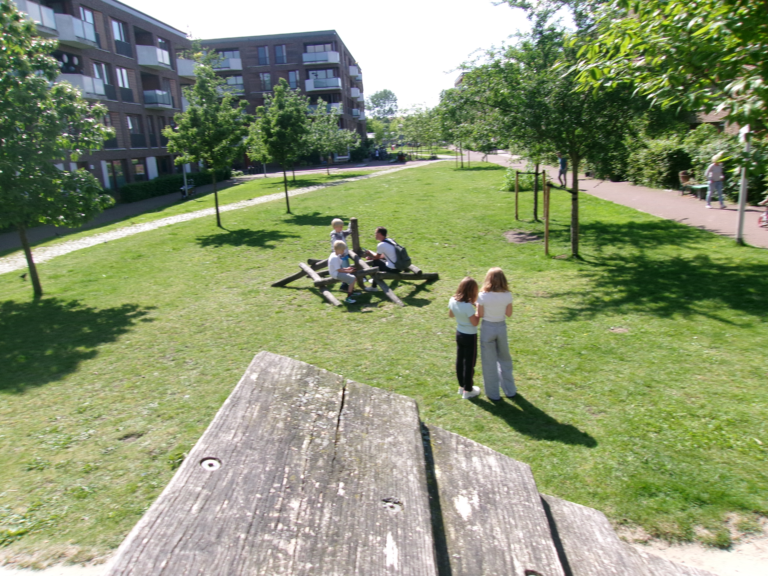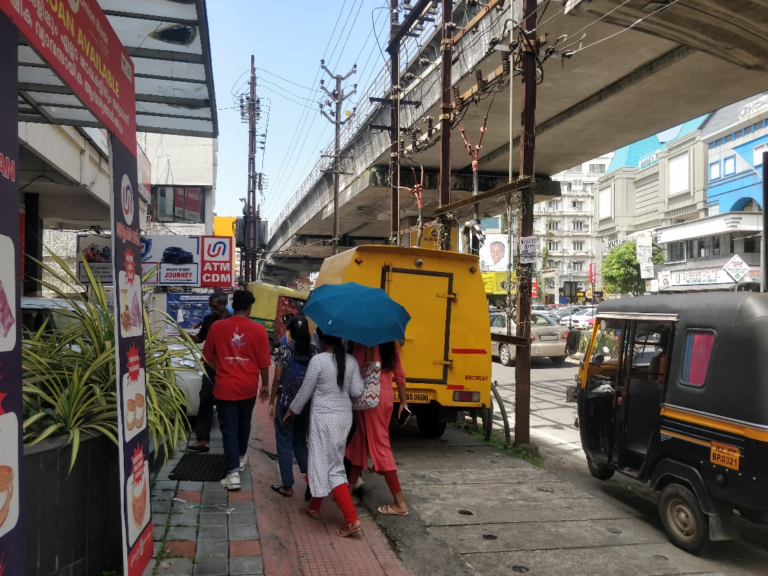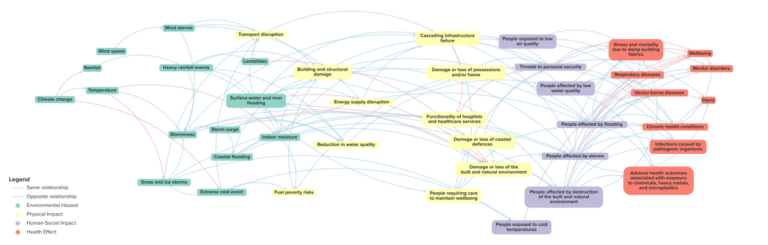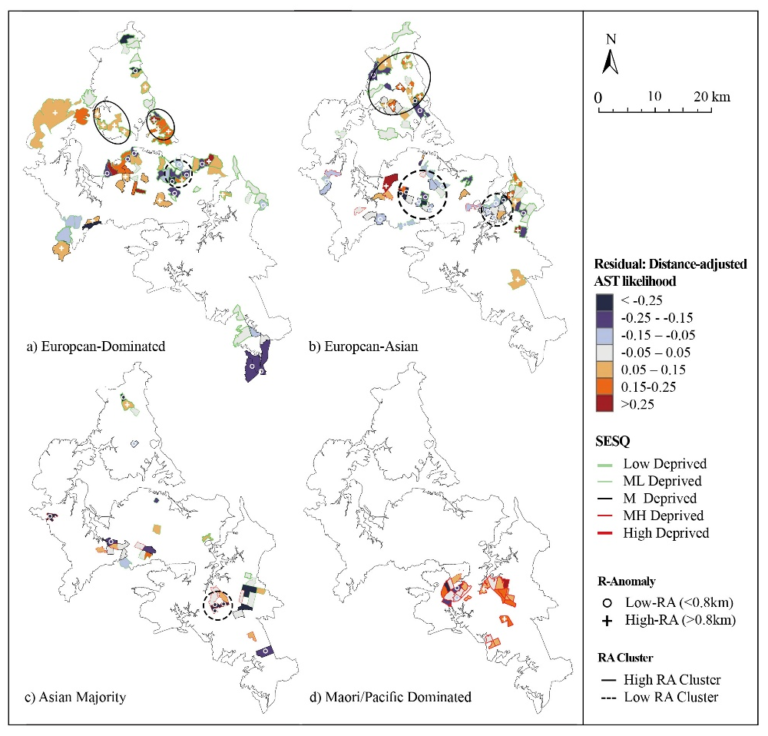
Heightened feelings of exclusion contribute to young people’s growing detachment from urban green spaces

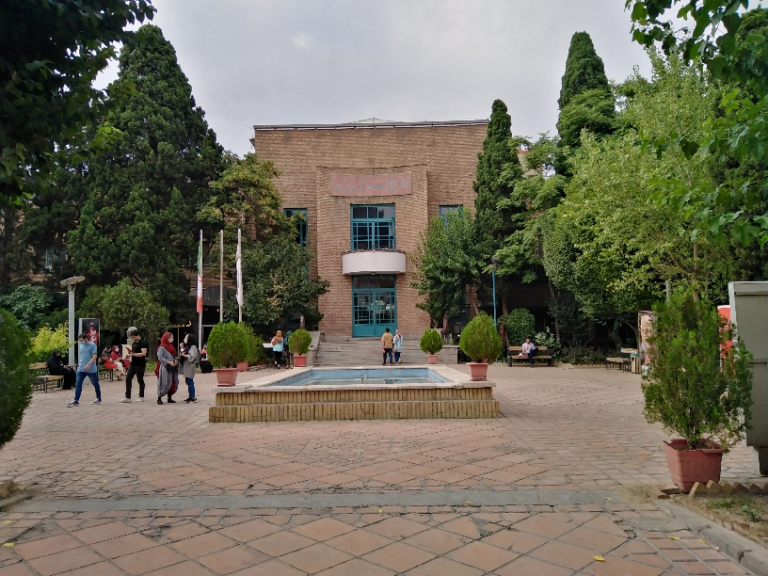
Our research studies how 16-25-year-old Londoners’ perceptions of parks management practices affect their use of these public spaces. Our aim was to address a knowledge deficit regarding the role of spending time in green space and young people’s mental wellbeing. For policymakers and practitioners aiming to manage parks as health infrastructure, this information is essential, given this cohort is at a critical developmental stage for building mental health resilience.

Read More »

Where to walk when we are old: experiments in Taiwan and the USA

Our study highlights the importance of green spaces in urban areas for enhancing the well-being of older adults. It reveals significant benefits of nature walks over urban street walks and underscores the need for gender-sensitive urban design.
• Green spaces improve mood and perceived restorativeness.
• Women benefit more from nature walks, especially in urban streets.
• People from different cultures may benefit from nearby nature slightly differently.

Read More »

Benches for connection: Simple urban design to fight loneliness

My study shows that simple ‘Happy to Chat’ benches successfully encourage spontaneous conversations, leading to positive feelings and new social connections. I found these benches can:
• Create welcoming spaces for casual and meaningful interactions.
• Promote emotional well-being and social bonding.
• Act as a subtle ‘social nudge’ to encourage interaction.

Read More »

Exploring the restorative and social value of urban running environments as third places, Manila, The Philippines

We asked runners across Metro Manila to rate their usual running spots, not just based on convenience or safety, but on how these places make them feel. Do they offer a sense of community? Do they reduce stress? Can people connect with others there, even informally? These questions are rooted in the idea of “third places”, spaces that are neither home nor work but still feel like a meaningful part of daily life.

Read More »

Healing landscapes: The role of urban greenery in rebuilding cities

In the aftermath of conflict, cities prioritize reconstruction, but green spaces often get left behind. This study delves into how residents of post-conflict cities engage with urban parks, providing valuable knowledge for decision-makers to unlock the full potential of these green havens for social cohesion and well-being.

Read More »

Regaining public space for children: a locally developed parent-led play street in Paris

Play streets are gaining popularity around the world. In French cities, more and more residents and local associations wish to develop play streets. One-off play streets are especially popular to introduce residents to the concept of a play street. However, there is little research outlining the key contextual elements for developing long-term or recurring play streets; these confront different obstacles than one-off play streets and require different efforts from those developing the play street.

Read More »

What are residents’ lived experiences of higher density living and impacts on health and wellbeing?

We conducted a citizen science project to engage with current residents in higher density residences in Northern Sydney to explore the positive and negative aspects of their lived experiences on their health and wellbeing. Together, we identified the elements that residents of these communities value as well as those with potential negative impacts that could be mitigated through good planning and design.

Read More »

Understanding the influence of local politicians on healthy local planning policy

Understanding of the influence of local political actors helps to highlight where their influence is limited, particularly by national-level housing policy, which in the UK is focused on housing numbers, rather than quality of new homes, as well as financial viability and public opinion. Understanding this can help to build trust in the political processes of decision-making and inform interventions for healthier place-making.

Read More »