The first overview of a now deleted federal program planning for climate change and public health: The Climate Ready State and Cities Initiative

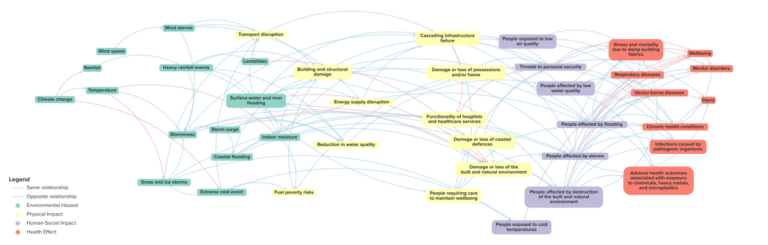
Anthropogenic climate change is bringing with it a whole host of deleterious public health impacts. People will die and suffer disproportionately following inequitable societal structures. With every passing year time to mitigate and adapt to anthropogenic climate change slips away. The time is now to deliberately plan for the health impacts that are now ‘baked in’ for centuries to come.

Read More »

Biophilic design for walkable streets: Health-centred insights for urban action

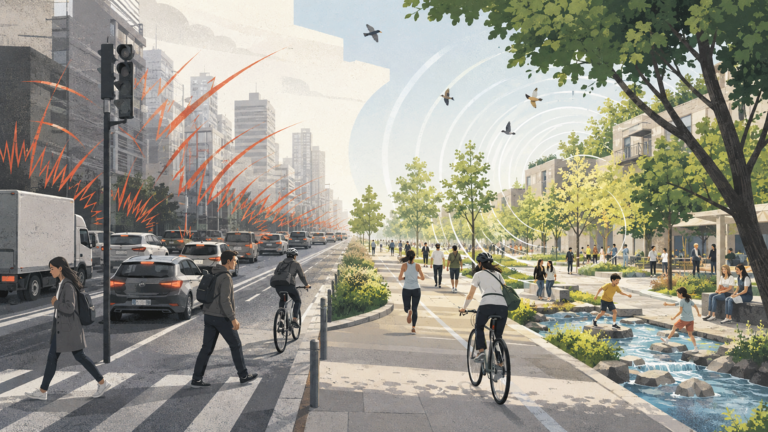
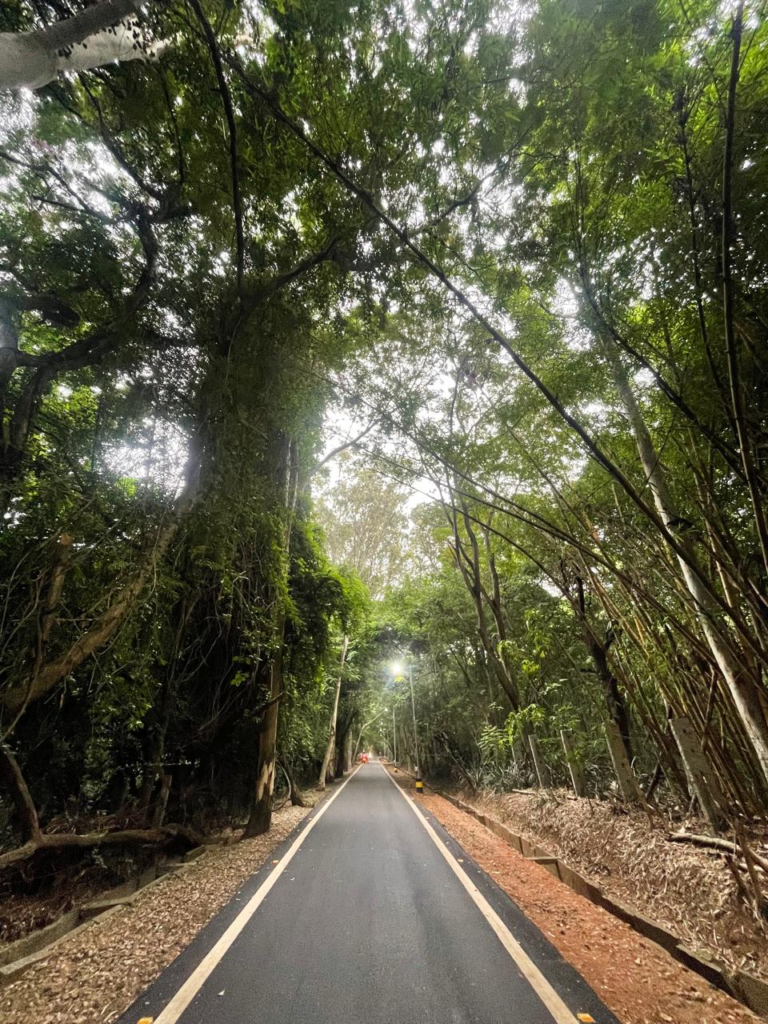
How can we design walkable streets that promote health through nature?
This scoping review synthesises international and cross-cultural research—drawing from English and Chinese studies—to clarify intervention types and health mechanisms, offering an essential evidence base for healthier, more connected urban environments. Our findings reframe streets as inclusive, restorative spaces for health—not just transport infrastructure.

Read More »

Jakarta’s position in global health and sustainable city progress

This pioneering study on healthy and sustainable indicators for Jakarta is the first in Indonesia to use the Global Healthy and Sustainable City Indicators framework. As the most populous city in Indonesia and Southeast Asia, Jakarta’s inclusion provides valuable insights into its status compared to 25 international cities. We offer a critical perspective on existing spatial indicators, highlighting the need for precise definitions and careful interpretation within the city’s local context. Additionally, we propose new indicators to help policymakers and public health officials develop more adaptable measures for urban health and sustainability.

Read More »

A framework to integrate health into urban climate policies: A city-level approach for better planning

Urban planning significantly impacts public health, yet health considerations are often overlooked in city development strategies. Climate change further exacerbates urban health risks, particularly in vulnerable regions. Despite growing recognition of the link between urban planning and health, cities lack structured methodologies to quantify and integrate health-related data into policy. Without systematic approach, cities struggle to identify disparities, allocate resources effectively, and create health-resilient urban environments. Addressing this gap is critical for sustainable urban development.

Read More »

Lessons from a car-free settlement for child-friendly urban mobility

Our study focuses on active and independent mobility of children in a car-free settlement which can be promising for developing policies for a child-friendly urban future and mobility justice for children. The outputs of this study can bridge the gap between vehicle-oriented and non-vehicle-oriented settlements and enable the transfer of good experiences.

Read More »

Designing and implementing nature-based intervention, for the health of our community

Do we have the potential to combat childhood obesity rates with nature based programs? How does the design of community-based programming play a role?
Our study, analyzing 4,010 articles, reveals nature-based interventions promote healthy living. Focusing on community engagement and program gaps, our research highlights innovative strategies for healthier children. A collaborative approach offers new hope in addressing this global health challenge.

Read More »

Restorative urban wildness for people, biodiversity and urban ecosystems health

What if urban health went beyond human wellness? Through our more-than-One Health conceptualization, we explored urban wild spaces as places where the health and flourishing of humans, animals, and ecosystems intertwine. This approach provides new insights into designing cities that are not just green, wild, but interconnected as restorative habitats for human and non-human health.

Read More »

Understanding gardening for wildlife in London’s private residential gardens

We wanted to understand the types of gardening for wildlife taking place in London’s private gardens and the influence of demographic factors on the likelihood to garden for wildlife. We sent out a digital questionnaire to ask Londoners about their gardening for wildlife practices and their age, gender, ethnicity, religious beliefs, occupation, household income, accommodation type, home ownership status, garden type, shared garden or not, dependents, and conservation-organisation membership status.

Read More »