Biophilic design for walkable streets: Health-centred insights for urban action

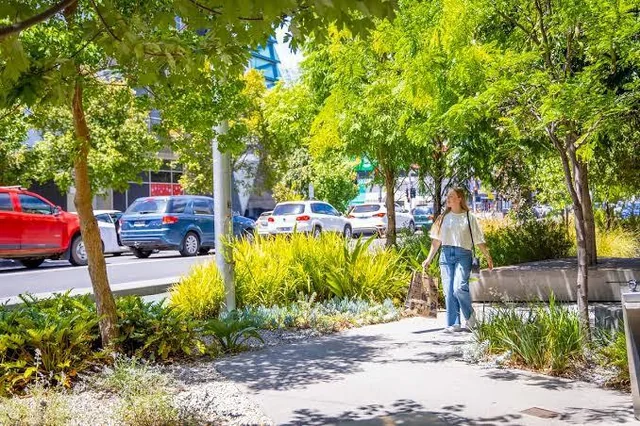
How can we design walkable streets that promote health through nature?
This scoping review synthesises international and cross-cultural research—drawing from English and Chinese studies—to clarify intervention types and health mechanisms, offering an essential evidence base for healthier, more connected urban environments. Our findings reframe streets as inclusive, restorative spaces for health—not just transport infrastructure.

Read More »

What determines better neighbouring among affordable housing residents in Metro Vancouver, Canada

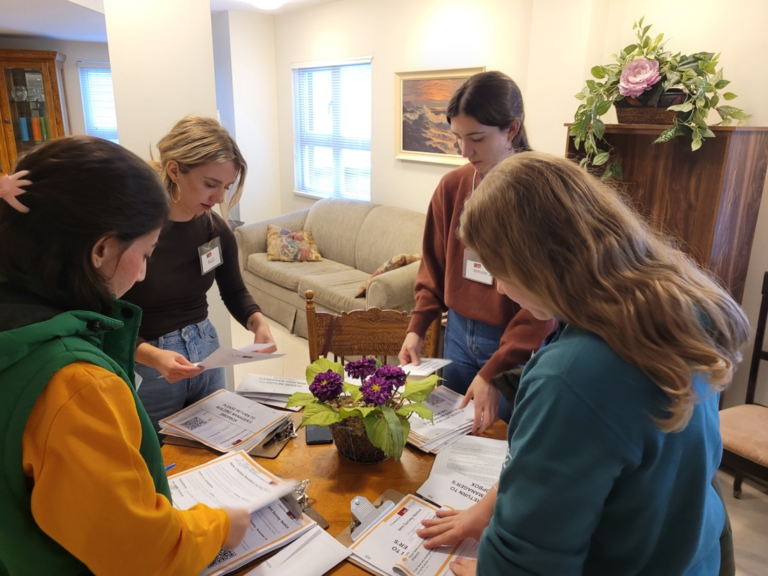
At the intersection of urban and public health policy, the success of higher-density affordable housing solutions to serve an inclusive well-being agenda depends upon reducing the association of these lifestyles and built environments with loneliness and social isolation. We construct a pro-neighbouring index and test its predictors using an ordinal logistic regression model based on resident survey data.

Read More »

Opportunities and challenges of using mobile phone data for evaluating placed-based interventions: A green space pilot

There is limited evaluation of whether green space interventions lead to more people using these spaces. This is partly due to the difficulty of collecting data on visits to green spaces. Mobile phone data may offer one solution, but are rarely made available to researchers. As such, there is less examination of whether these data are valuable. We accessed small area anonymised mobile phone GPS data for Liverpool (2021-2022). Using a case study of wildflower planting, we identified green spaces where wildflowers were planted. A synthetic control was then constructed to identify similar green spaces where planting did not take place. We then compared the number of visits post-intervention between the intervention and control green sites. Our paper also gives an empirical and methodological evaluation of the strengths and weaknesses of using mobile phone data, which can inform others on how to best use them.

Read More »

Restorative urban wildness for people, biodiversity and urban ecosystems health

What if urban health went beyond human wellness? Through our more-than-One Health conceptualization, we explored urban wild spaces as places where the health and flourishing of humans, animals, and ecosystems intertwine. This approach provides new insights into designing cities that are not just green, wild, but interconnected as restorative habitats for human and non-human health.

Read More »

The Emerald Isle or a Green Desert? Gardens as sites for city greening 

To create cities where both nature and humans thrive, the research outlines how city gardens are interconnected with the surrounding countryside and coast. A hands-on approach is needed to bring more nature into gardens through combining disciplines such as 1) environmental psychologists (unearthing different types of gardeners) 2) the horticultural industry (the know-how) and 3) the marketing/advertising industry (the storytellers). Aggregated actions of domestic gardeners could help policy-makers push for improved biodiversity restoration.

Read More »

Wild Ways: influencing ‘rewilding’ behaviour in urban gardens

We reviewed the existing research on influencing rewilding behaviour by city residents in their gardens. We used a behaviour-change model to identify intervention and policy strategies that affect residents’ rewilding behaviour. We found that all intervention and policy categories were effective, requiring action across many organisations and areas to drive change.

Read More »

The benefits of green infrastructure on campus for student and visitor health

For city planners and policymakers, increasing the tree canopy coverage stands out as the most promising green infrastructure planning/management strategies to contribute to health of campus communities/users. The tree canopy data are also more widely available than most other green infrastructure variables, making its use for the purpose of monitoring, intervention, and assessment feasible for various stakeholders.

Read More »

Heightened feelings of exclusion contribute to young people’s growing detachment from urban green spaces

Our research studies how 16-25-year-old Londoners’ perceptions of parks management practices affect their use of these public spaces. Our aim was to address a knowledge deficit regarding the role of spending time in green space and young people’s mental wellbeing. For policymakers and practitioners aiming to manage parks as health infrastructure, this information is essential, given this cohort is at a critical developmental stage for building mental health resilience.

Read More »